
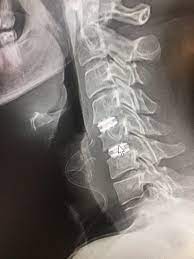
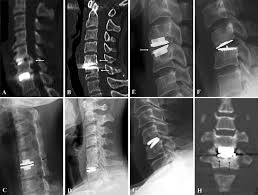


Artificial Disc Replacement (ADR), also known as cervical disc arthroplasty when performed in the neck region, is an advanced surgical procedure designed to address debilitating neck pain and spinal instability. This procedure involves the replacement of a damaged or degenerated intervertebral disc in the cervical spine with an artificial, motion-preserving implant.
During an ADR in the neck, a skilled surgeon makes a small incision in the front of the neck to access the affected cervical disc. The damaged disc is removed, and the artificial disc implant is securely placed into the disc space. Unlike traditional cervical fusion surgery, which permanently immobilizes the joint by fusing two adjacent vertebrae, ADR maintains natural motion at the operated level.
Artificial discs are typically made of biocompatible materials such as metal and plastic, designed to mimic the properties of a healthy natural disc. This restoration of motion and flexibility in the cervical spine can alleviate pain, maintain or improve range of motion, and minimize the risk of adjacent segment degeneration that can occur with fusion surgery.
Artificial Disc Replacement is considered a cutting-edge treatment option for individuals with specific cervical spine conditions, such as herniated discs or degenerative disc disease. It offers the potential for a quicker return to normal activities and reduced risk of long-term complications compared to traditional fusion surgery.
As with any surgical procedure, ADR in the neck should be carefully considered and discussed with a healthcare professional. Patients should undergo a thorough evaluation to determine if they are suitable candidates and to weigh the potential risks and benefits. This innovative approach to spinal care can provide significant relief for those experiencing chronic neck pain while preserving natural spinal motion.